
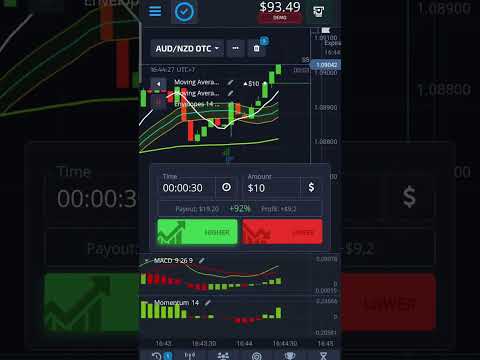
How to Trade Today: Practical Guidance for UAE Investors
Understanding What “Trade Today” Means in the UAE Market
The phrase “trade today” reflects a growing demand among UAE residents for immediate access to global markets, whether for stocks, commodities, or options. In a fast‑moving economy like Dubai and Abu Dhabi, investors expect real‑time pricing, low latency, and the ability to act on news within minutes. Local regulations encourage transparency, so reputable brokers must provide clear trade execution reports that comply with the Emirates Securities and Commodities Authority (ESCA).
When you decide to trade today, you are essentially committing to a workflow that balances speed with due diligence. This means having a reliable internet connection, a platform that offers live market data, and a clear understanding of transaction costs before you click “Buy” or “Sell.” The right tools help you avoid costly delays and ensure that your decisions are based on the most current information.
Who Should Consider Trading Today?
Trading today is not limited to professional day traders. It can benefit:
- Young professionals in Dubai looking to diversify savings beyond traditional bank deposits.
- Entrepreneurs in Abu Dhabi who want to hedge currency exposure from international contracts.
- Retirees in Sharjah seeking supplemental income through dividend‑paying equities.
Regardless of your experience level, the key is to match your risk tolerance with the speed of execution. If you can monitor markets regularly and make informed decisions quickly, the “trade today” approach can enhance portfolio agility. Conversely, a more passive investor might prefer scheduled trades or automated strategies that execute at pre‑defined times.
Core Features and Benefits of Modern Trading Platforms
Most contemporary platforms designed for the UAE market include a dashboard that aggregates live quotes, order‑book depth, and news feeds in one view. These features empower you to trade today without juggling multiple windows or applications. Integrated risk‑management tools, such as stop‑loss and take‑profit orders, add a layer of protection when markets move quickly.
In addition to speed, you gain:
- Transparent fee structures that prevent hidden costs.
- Multi‑asset access – equities, ETFs, futures, and options from a single account.
- Localized support in Arabic and English, ensuring you can resolve issues promptly.
For a concrete example of a reliable service, consider the options trading platform that offers deep liquidity and regulatory compliance tailored to the UAE.
Step‑by‑Step Setup to Start Trading Today
Getting ready to trade today involves a few essential steps. Follow this checklist to avoid common pitfalls:
- Open a brokerage account that supports real‑time trading in the UAE.
- Complete identity verification (KYC) and provide any required residency documentation.
- Deposit funds using a local bank transfer or approved e‑wallet.
- Configure your trading dashboard – select preferred markets, set default order types, and enable two‑factor authentication.
- Run a small test trade to confirm latency, order routing, and settlement times.
Once the test is successful, you can scale your activity based on your capital and confidence. Remember that consistent monitoring and periodic review of your settings help maintain optimal performance as market conditions evolve.
Common Use Cases and Real‑World Scenarios
UAE investors often apply the “trade today” mindset in the following situations:
- Reacting to earnings releases of multinational firms listed on the NYSE or LSE.
- Capitalizing on intraday price swings in oil‑related commodities.
- Executing hedges against currency fluctuations between AED and USD.
- Participating in short‑term options strategies around geopolitical events.
Each scenario shares a common thread: the need for rapid decision‑making supported by a platform that can execute orders within milliseconds. By aligning your tools with these use cases, you ensure that your trades are both timely and purposeful.
Pricing, Fees, and Cost Considerations
Understanding the cost structure is crucial before you trade today. Fees typically fall into three categories: commissions, spreads, and ancillary charges such as data feed subscriptions. Below is a simplified comparison that reflects typical ranges for UAE‑focused brokers.
| Fee Type | Typical Range (per trade) | Notes |
|---|---|---|
| Commission | 0.08% – 0.20% of trade value | Lower for high‑volume traders; some brokers offer commission‑free tiers. |
| Spread | 0.1 – 0.5 points on major pairs | Variable with market liquidity; tighter spreads benefit frequent traders. |
| Data Feed | Free – $15 per month | Live level‑2 data may require a subscription. |
When budgeting, factor in both explicit costs and the indirect cost of latency. A platform that offers competitive pricing but suffers from execution delays can erode profitability more than a slightly higher‑priced, faster service.
Security, Reliability, and Support You Can Trust
Security is non‑negotiable for anyone who intends to trade today, especially in a region with strict financial oversight. Look for brokers that employ encryption, segregated accounts, and regular third‑party audits. Reliability is measured by platform uptime; reputable services target 99.9% availability, which translates to minimal downtime during critical market hours.
Support should be multilingual and reachable via phone, live chat, and email. In the UAE, having Arabic‑speaking representatives can accelerate issue resolution, particularly for compliance questions. Choose a provider that offers a clear escalation path and documented service‑level agreements (SLAs) for response times.
Integrations, Automation, and Scaling Your Trading Activity
As your trading volume grows, you may need to integrate the platform with external tools such as portfolio trackers, tax software, or custom algorithmic engines. APIs that support REST or FIX protocols are common in the industry and enable you to automate order placement, risk monitoring, and reporting.
Scalability also involves ensuring that the platform can handle larger order sizes without slippage. Look for features like batch order processing and advanced routing algorithms that split large trades across multiple venues to achieve optimal fill prices. Automation, when combined with robust risk controls, allows you to maintain consistency while expanding your trading footprint.
Frequently Asked Questions About Trading Today
Can I trade today on a mobile device?
Yes, most brokers provide native iOS and Android apps that replicate desktop functionality, allowing you to monitor markets and execute trades on the go.
Do I need a large capital base to start?
Minimum deposit requirements vary, but many platforms accept as little as AED 1,000, making it accessible for beginners.
How does taxation work for UAE residents?
The UAE currently has no capital gains tax on most securities, but you should consult a local tax advisor for any specific obligations related to foreign jurisdictions.
These answers should give you a solid foundation to decide whether a “trade today” approach aligns with your financial goals and risk appetite.